
Facing the rapid evolution and high expectations of the modern service economy, the Department of Business Administration at Asia University actively promotes teaching innovation by offering the "Service Industry Management" course. This course emphasizes both theory and practice, fostering students' customer-centric thinking and operational execution skills through diverse instructional designs and scenario-based learning, thereby building job-ready talent that meets industry demands.
The Department of Business Administration notes that the course follows the core teaching philosophy of "learning by doing" and systematically guides students to master the unique characteristics of service industry operations compared to manufacturing. The curriculum covers critical managerial topics such as service design, customer relationship management (CRM), managing service encounters, handling service failures, and service recovery strategies across various service sectors.
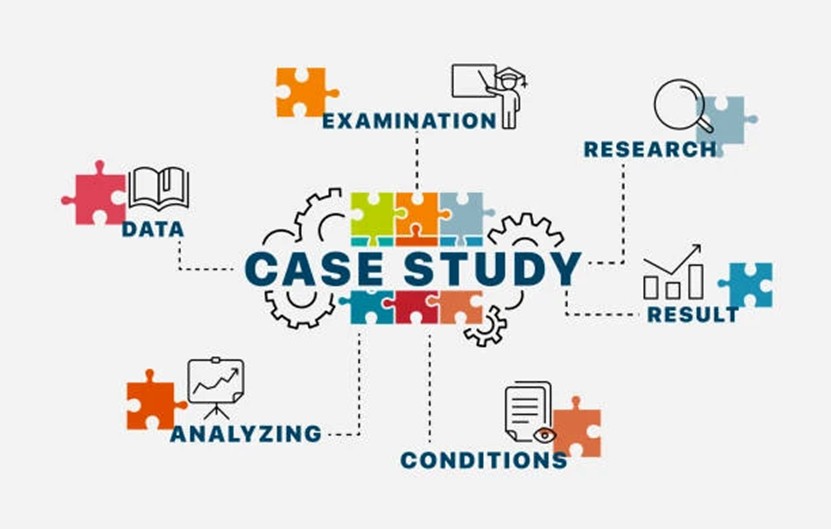
In terms of instructional design, the department integrates extensive service industry case analyses and interactive simulations. Using real-world domestic and international service benchmarks (such as hospitality, retail, tourism, and professional services), students are guided to engage in strategic thinking and operational decision-making analysis. Through role-playing and group discussions, students tackle customer-facing dilemmas and operational bottlenecks, enhancing their problem-solving abilities and service management acumen.
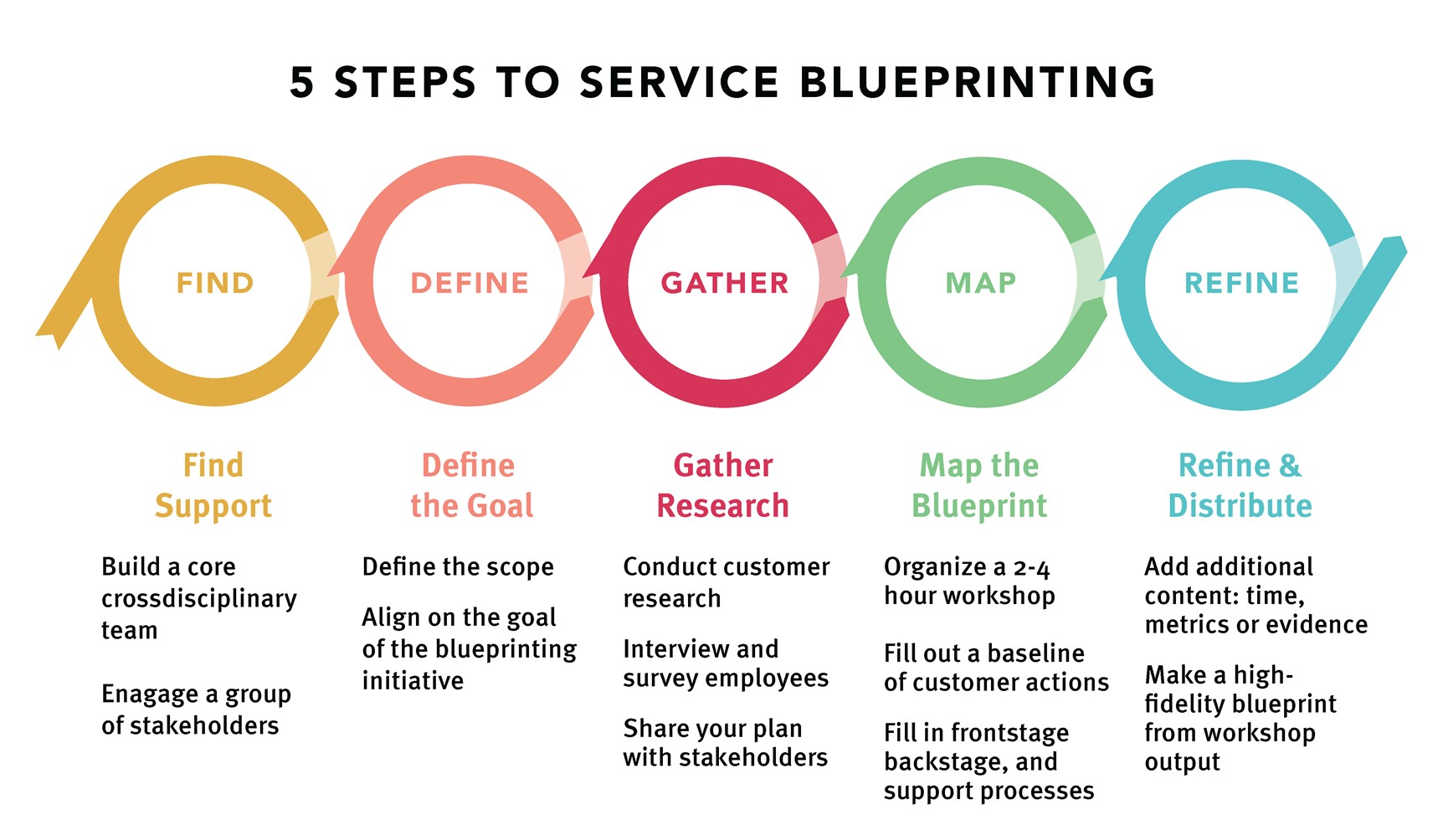
Furthermore, for general professional fundamentals and practical teaching. The core subject matter centers on the original professional knowledge of service industry management with the support of artificial intelligence (AI) as the primary teaching content, allowing students to focus on solid foundational theories and service blueprinting methodologies integrated with little help from AI. Through practice-oriented learning, students strengthen their critical competency in translating theoretical frameworks into practical industry strategies.
The course concludes with an "Integrated Service Industry Innovation Project" as the cumulative learning outcome. Students work in groups to analyze an existing service enterprise, design a service blueprint, and propose comprehensive improvements or innovative service solutions, presenting their achievements through reports and presentations. This design not only cultivates teamwork and communication skills but also enhances students' practical application abilities upon entering the workplace.
The Department of Business Administration emphasizes that as market demand for high-quality service management professionals continues to rise, the department will continuously optimize course content and teaching methods. By combining service management theories with real-world industry applications, the department aims to cultivate management talent equipped with cross-disciplinary integration capabilities and customer-oriented innovative thinking, serving as a vital driving force for service excellence and industrial upgrading.